-3.png)
.png)
Introduction
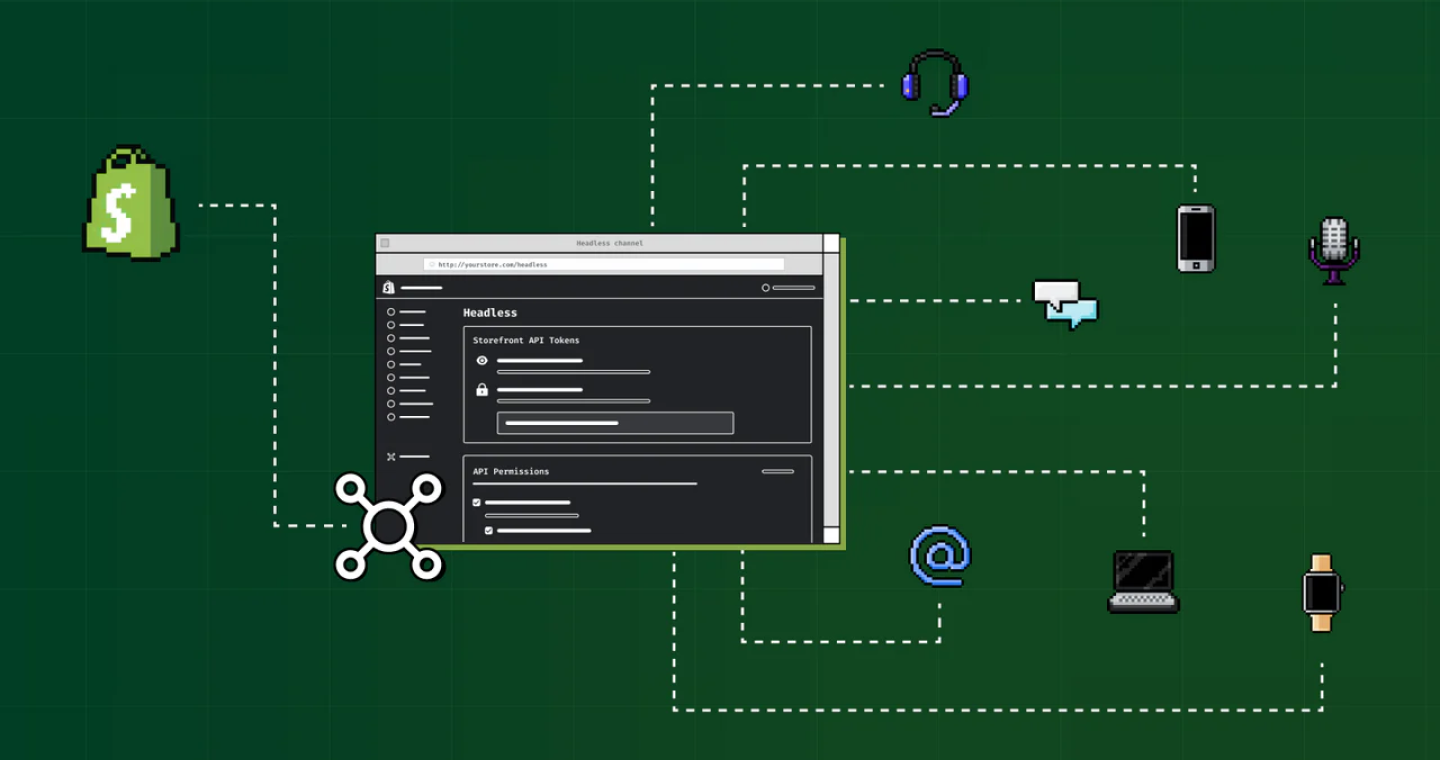
Headless Shopify separates the storefront from the commerce engine, so your team controls the entire front-end experience while Shopify handles everything behind it. The backend stays the same: products, inventory, payments, checkout. What changes is how that data gets presented, and where. Everything runs through Shopify's API suite, the Storefront API, Admin API, and Checkout API, delivering to any channel your brand operates on.
Traditional e-commerce setups couple the front end and back end. Every layout change becomes a development project. Every new channel means a rebuild. Headless breaks that dependency, unlocking faster innovation through modern technologies like Progressive Web Apps (PWAs), voice commerce integrations, and social selling channels.
In 2026, for brands managing multiple touchpoints, it's less of an upgrade and more of a structural fix.
What Is Headless Shopify? Defining the Decoupled System
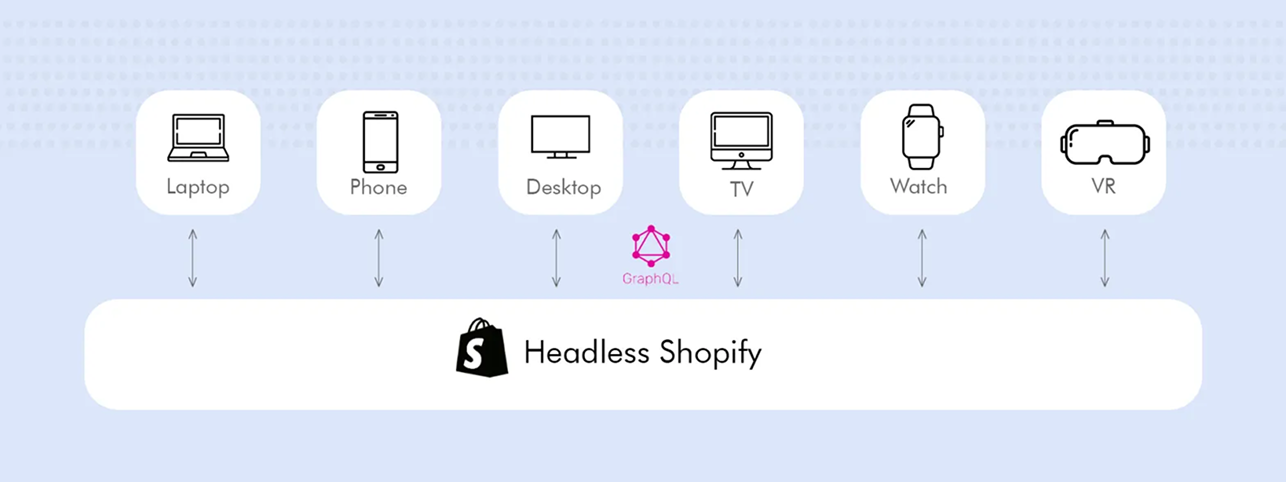
At its core, headless commerce decouples the storefront from Shopify's commerce back end. Shopify manages product catalogs, inventory, secure payment processing, and the checkout flow. Your front end is built with React, Next.js, or Shopify's own Hydrogen framework, which pulls from those APIs and presents them as your team has designed.
The two sides communicate but don't depend on each other. A storefront redesign doesn't touch checkout logic. A backend update doesn't need a front-end deployment. Front-end updates, redesigns, and new feature rollouts occur independently across websites, mobile apps, kiosks, and other emerging touchpoints without disrupting the backend.
Key Business Advantages of Adopting Headless Shopify
Custom Design Freedom
Detaching the presentation layer from Shopify themes means your team can build bespoke storefronts with unique layouts, animations, and micro interactions that aren't possible inside a theme framework. The front end becomes a pure brand asset and not a constrained template.
Faster Performance and Load Times
The front end is served from a CDN as static or near-static files, cutting server dependencies and accelerating load times. With SSR and SSG built into modern frameworks, pages load near-instantly, which directly affects SEO rankings, conversion rates, and bounce rates.
True Multi-Channel Selling
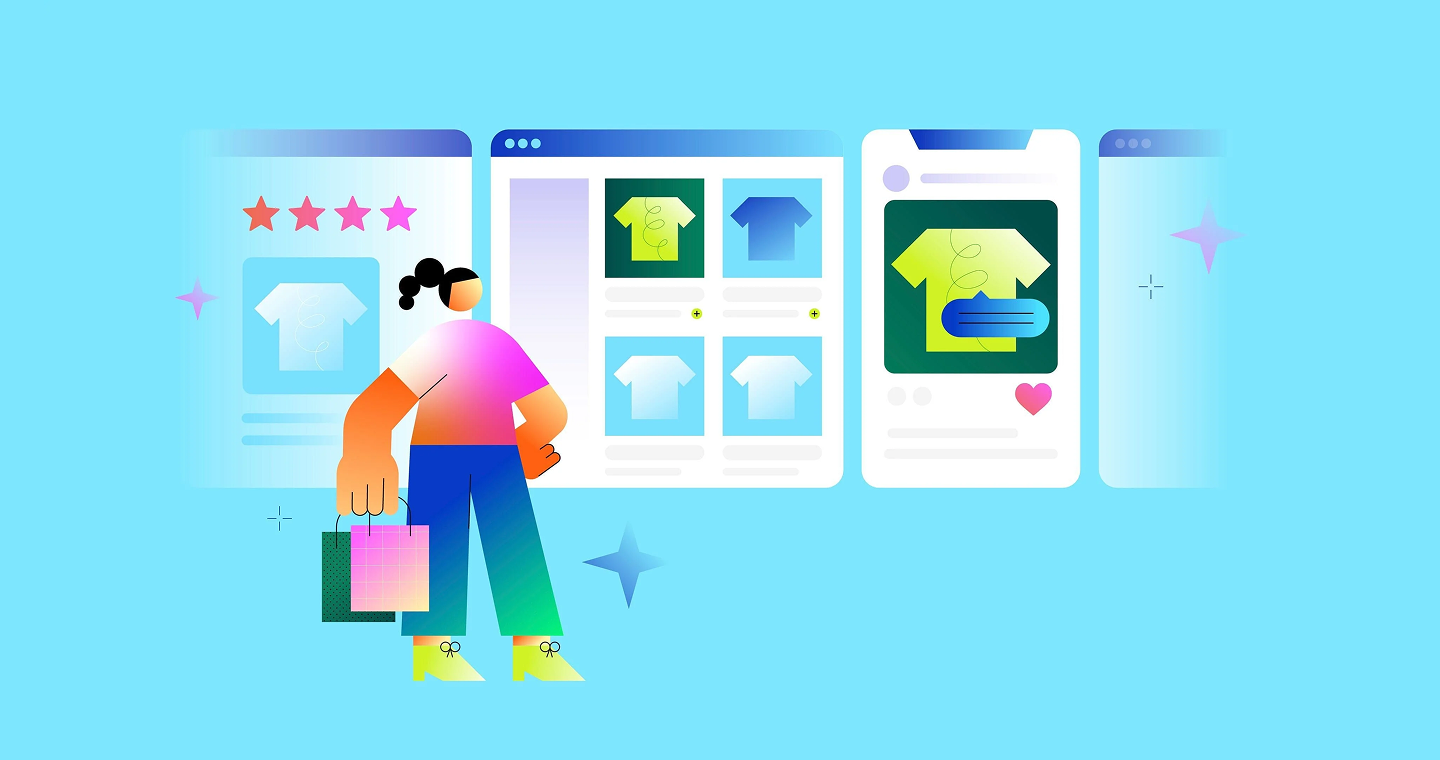
One Shopify backend powers your website, mobile app, in-store kiosks, AR/VR, voice assistants, and social commerce simultaneously. Customers get a consistent, synchronized brand experience across every touchpoint, improving customer lifetime value and data integrity across channels.
Scalability for Growing Brands
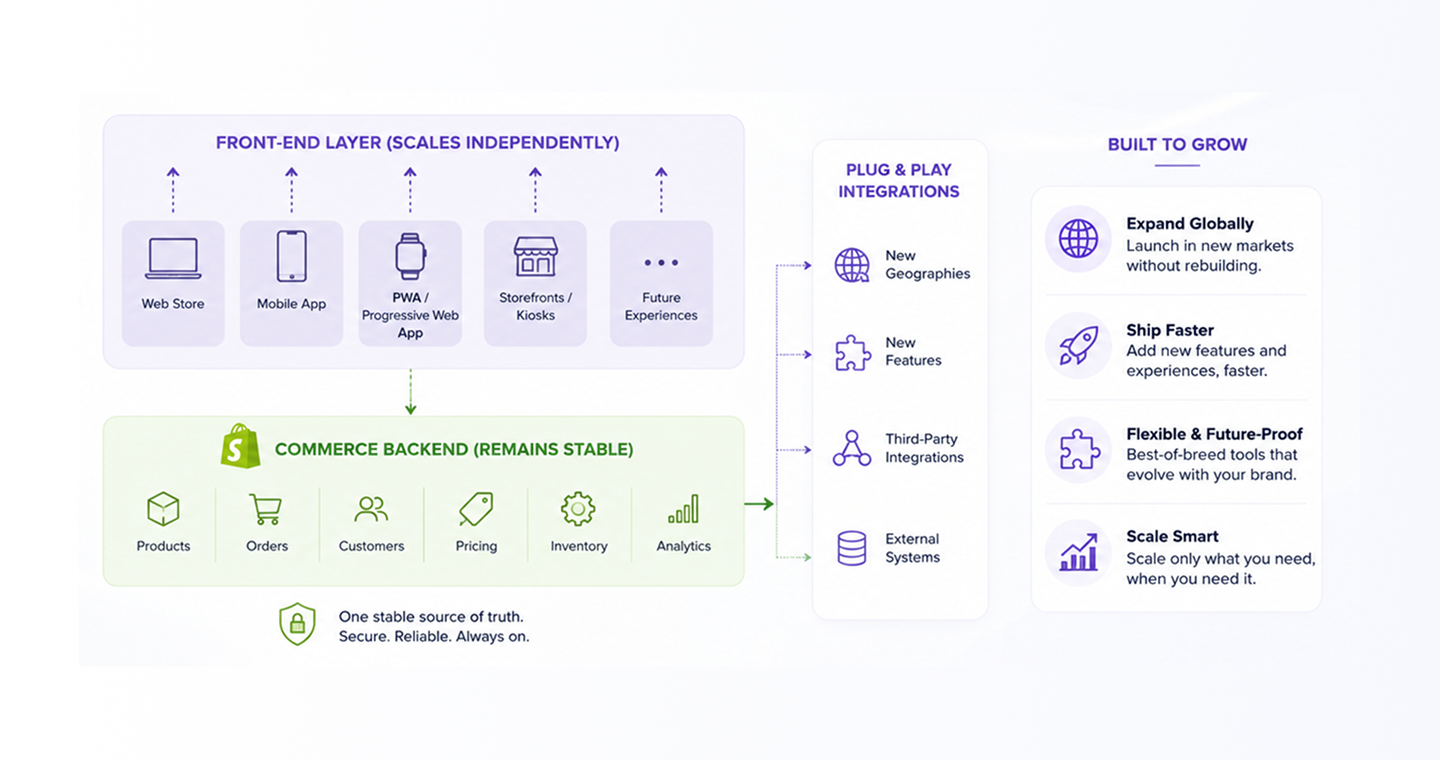
When traffic spikes, only the front-end layer scales while the commerce database remains stable. New geographies, new features, and new third-party integrations plug into the existing backend without a full rebuild. The stack evolves as the brand does.
Enhanced Personalization and Data Utilization
.png)
Connecting directly to real-time analytics lets brands tailor content and product recommendations by behavior, location, and purchase history, customizing the entire journey, from homepage layout to promotional offers, not just a name in a subject line.
Discover how we built a robust platform for an e-commerce business →
Why Indian Brands Are Moving to Headless Shopify
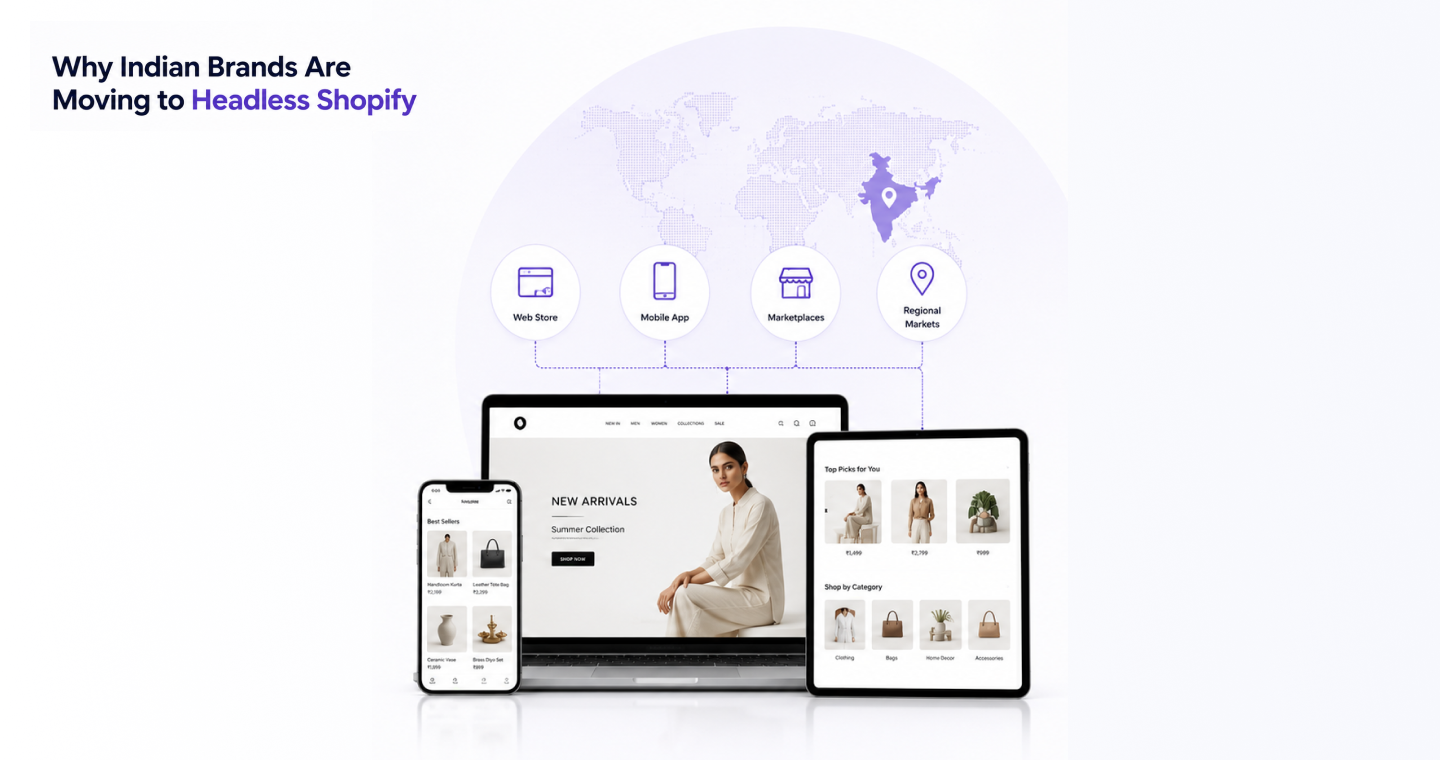
India's e-commerce market is growing faster than most platforms were built to handle. D2C brands, retail chains, and fast-scaling startups are hitting the same wall. Shopify themes that can't keep up with the speed, the channels, or the customer expectations of the Indian market.
At UPDOT, we've helped Indian brands build custom Shopify storefronts that perform across web, app, and regional markets without having to rebuild from scratch every time the business scales. From D2C brands to enterprise retail, the architecture is the same: one Shopify backend, every channel, zero bottlenecks.
If you're an Indian brand managing multiple touchpoints, running high-traffic campaigns, or expanding into new markets, headless commerce on Shopify is the infrastructure built for that scale. And it's what we build.
Headless Shopify vs. Traditional Shopify: A Comparison
The choice hinges on one thing: are you optimizing for speed to launch, or long-term flexibility and control?
Feature | Traditional Shopify | Headless Shopify |
Setup Cost | Lower | Higher |
Development Speed | Faster with pre-built themes | Slower due to custom builds |
Customization | Limited to themes | Full control over UI/UX |
Technical Expertise | Minimal | Advanced |
Content Update Speed | Standard | Faster with API-driven CMS |
Omnichannel Capability | Basic | Comprehensive and Integrated |
SEO Control | Moderate | Extensive |
Performance Optimization | Good | Excellent |
Choosing the Right Path for Your Brand
Traditional Shopify is the right call for startups, small-scale sellers, and brands that need to launch fast with minimal overhead. It's a fully managed platform, and there is no custom stack to maintain.
Headless makes sense when the front end has become the constraint and when customization, omnichannel presence, and performance at scale matter more than speed to launch. It demands greater technical investment, but the ceiling is significantly higher. The decision comes down to your growth trajectory and what's actually blocking you right now.
Closing Thoughts
If your Shopify setup is slowing your brand down, that's the signal. Headless gives your team the room to build and scale without the front end becoming a bottleneck.
Get in touch with us, we'll look at what you're working with and tell you honestly whether headless is the right move for your brand.